
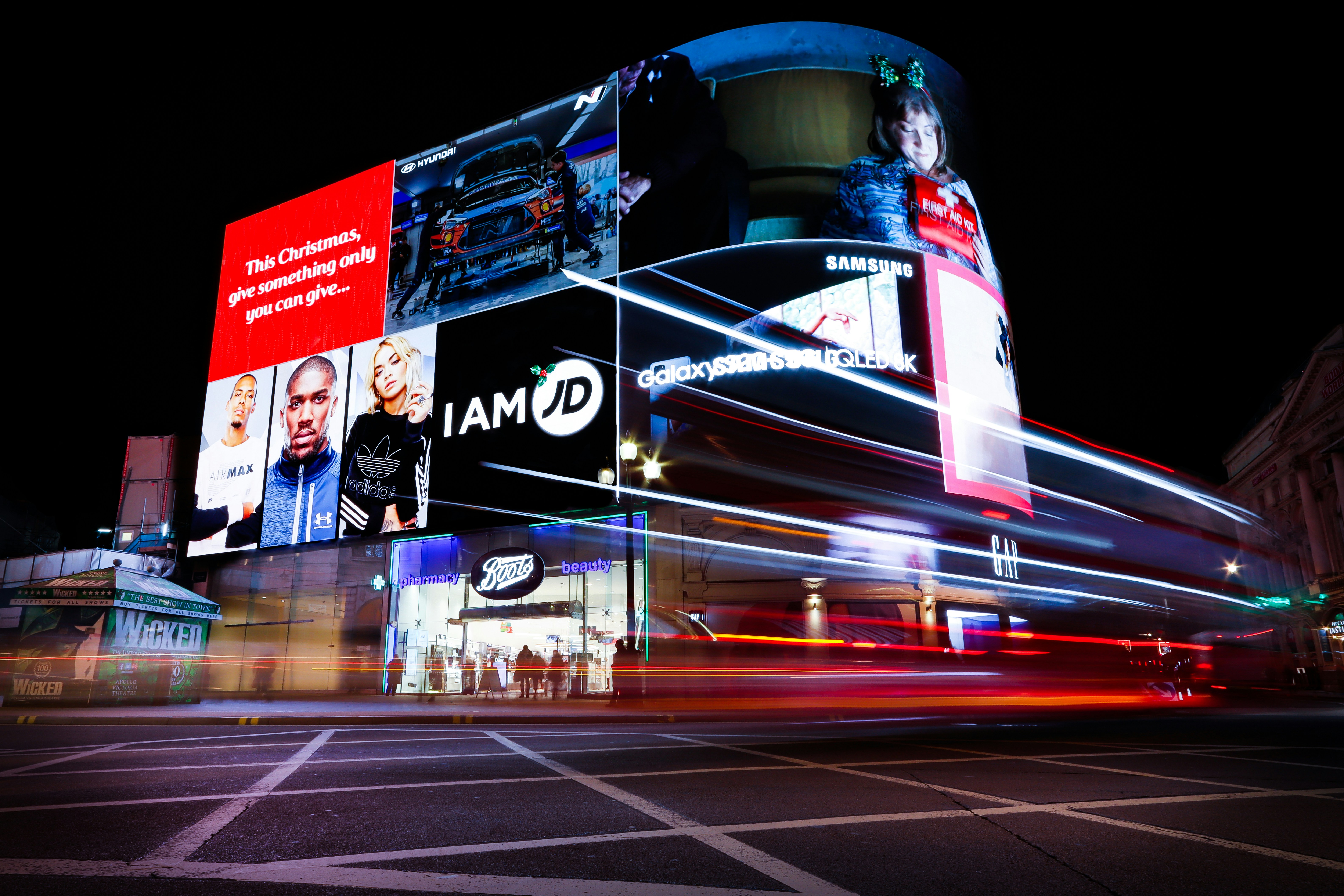
Best Billboard Locations in London for Local Business Visibility
Most local businesses don’t need a more clever billboard. They need a better location. In London, placement is what decides whether your message becomes part of a customer’s routine or fades into the background.
Why Location Is the Most Important Billboard Decision
A billboard only works when it appears in the right context. If the route, timing, and audience are wrong, even strong creative will struggle to deliver meaningful visibility. For local businesses, this matters more than most owners realise.
The real objective is usually not broad awareness on its own, but local recognition, stronger presence in a trading area, and a brand that feels established where customers already move.
Why Placement Strategy Matters More Than Creative Alone
Creative helps a message land clearly, but it cannot rescue weak placement. A simple advert in the right London location will usually outperform a stronger visual placed without clear route logic or audience fit. The media decision has to support the business objective before campaign creative can do its job properly.
How London Movement Patterns Shape Visibility
London isn’t one advertising environment. It’s a mix of commuter corridors, neighbourhood high streets, retail-heavy zones, and local catchments that all create different kinds of visibility. Effective billboard placement is less about naming famous postcodes and more about understanding how people move through them.
Commuter Routes
Scale and broad local familiarity. Same audiences pass the same roads repeatedly during morning and evening windows. Best for estate agents, clinics, and multi-location brands.
High Street Footfall
Slower, more local audience closer to a decision. Suits salons, restaurants, and local service brands. The brand is seen where people are already browsing or planning to spend.
Shopping Zones
Between scale and intent — the audience is already in a consumer mindset. For hospitality, food brands, and convenience-led offers, the surrounding environment supports buying behaviour.
Local Support Areas
Digital screens that reinforce a main roadside placement within the same catchment. Creates layered visibility and strengthens recall where the business actually trades.
Inner London vs Outer London
- Higher traffic density and mixed audiences
- Stronger sense of citywide presence and authority
- Useful for brands seeking cross-borough recognition
- Premium inventory, typically higher cost per placement
- Clearer catchment logic and repeatable local routes
- Tighter alignment between billboard and trading area
- Deeper neighbourhood trust and recognition
- Often more cost-efficient for focused local campaigns
Neither is automatically better. The right choice depends on whether the campaign needs broader authority or deeper neighbourhood recognition.
How to Match Billboard Location to Your Business Type
A clinic, a gym, a restaurant, and an estate agency each depend on different customer habits — so each needs a different placement logic. The question is not just where to advertise in London, but where your type of customer is most likely to notice, trust, and remember you.
| Business Type | Best Placement | Why It Works | Route Logic |
|---|---|---|---|
| Clinics & Health | Neighbourhood catchment | Proximity builds familiarity and trust before the patient is ready | Local routes |
| Gyms & Fitness | Near commute & weekend routes | Proximity-based decision — message works when physically near the trading area | Morning/evening |
| Restaurants & Hospitality | Lunch & evening traffic zones | Timing and context matter — hunger and social plans must already be active | High footfall |
| Estate Agents | Commuter-heavy routes | Builds postcode authority and public presence across the market area at scale | Commuter flow |
| Salons & Local Retail | Focused catchment, high street | Won through convenience and being top-of-mind at the right local moment | Catchment |
One focused area often matters more than spreading visibility too thinly. For many small businesses, local presence is the real performance driver.
Three Filters for Choosing the Right London Placement
These three filters make the placement decision clearer and remove most of the guesswork. If all three align, the location is almost certainly worth evaluating seriously.
Movement Patterns
Start with who passes the location, when they pass it, and how often they’re likely to repeat that route. A busy placement only matters if its movement pattern suits the type of business being advertised. This turns a billboard from a visible object into a relevant one.
Audience Fit
The next question is whether your actual customer uses that route. A site can have strong traffic and still be a poor placement if the audience passing it is too broad or unrelated to the offer. The goal is not traffic on its own — it’s overlap with the right people.
Campaign Goal
Some businesses need local recognition in one defined area, while others need broader authority across several movement zones. This is where the AXIS offer ladder becomes relevant — Local Launch, Authority Boost, or City Momentum — each aligned to a different scope.
When to Prioritise Commuter Roads Over High Streets
Commuter roads and high streets aren’t interchangeable. They solve different visibility problems, so the better choice depends on whether the campaign needs scale, trust, proximity, or a mix of all three.
When Commuter Roads Are the Better Choice
Commuter roads are strongest when the aim is broad familiarity across a larger local audience. They give businesses repeated exposure among people moving through the area in a predictable daily rhythm — making them especially useful for businesses that want to look more established in public before a customer enters an active buying cycle.
When High Streets Build Deeper Local Presence
High streets work better when the business needs neighbourhood trust and visibility close to the point of action. For salons, cafés, restaurants, clinics, and local service brands, this can create stronger catchment presence than a larger commuter route would. The brand feels integrated into the area, not simply visible near it.
When Using Both Together Makes More Sense
Some campaigns need both scale and local depth. A commuter-facing billboard creates broad recognition, while nearby local screens or high-street support points reinforce that presence inside the catchment. This is one of the clearest examples of where different billboard formats perform best together rather than separately.
How Local Support Screens Reinforce a Premium Roadside Placement
A roadside billboard creates headline presence. Local digital screens help turn that presence into a more complete local footprint by surrounding the main site with supporting visibility in the same area. Support-screen planning isn’t about adding more inventory — it’s about improving recall inside the catchment where the business actually trades.
AXIS Campaign Packages for London Businesses
Every campaign scope has a different starting point. The three AXIS packages are built around placement logic first — so the coverage matches the business objective before the creative brief begins.
Local Launch
Stronger visibility in one focused catchment. Designed for businesses establishing local presence for the first time.
- One focused trading area
- Roadside or high-street placement
- 14-day minimum run
- Route and audience review
Authority Boost
Broader recognition through premium roadside presence plus local support screens — the complete local visibility system.
- Premium roadside placement
- Local support screen coverage
- Audience-matched route selection
- Placement strategy report
- Creative format guidance
City Momentum
Built for wider city-level visibility across multiple zones. For businesses ready to build authority beyond a single trading area.
- Multi-zone London coverage
- Commuter + catchment combination
- Full placement audit
- Campaign artwork support