
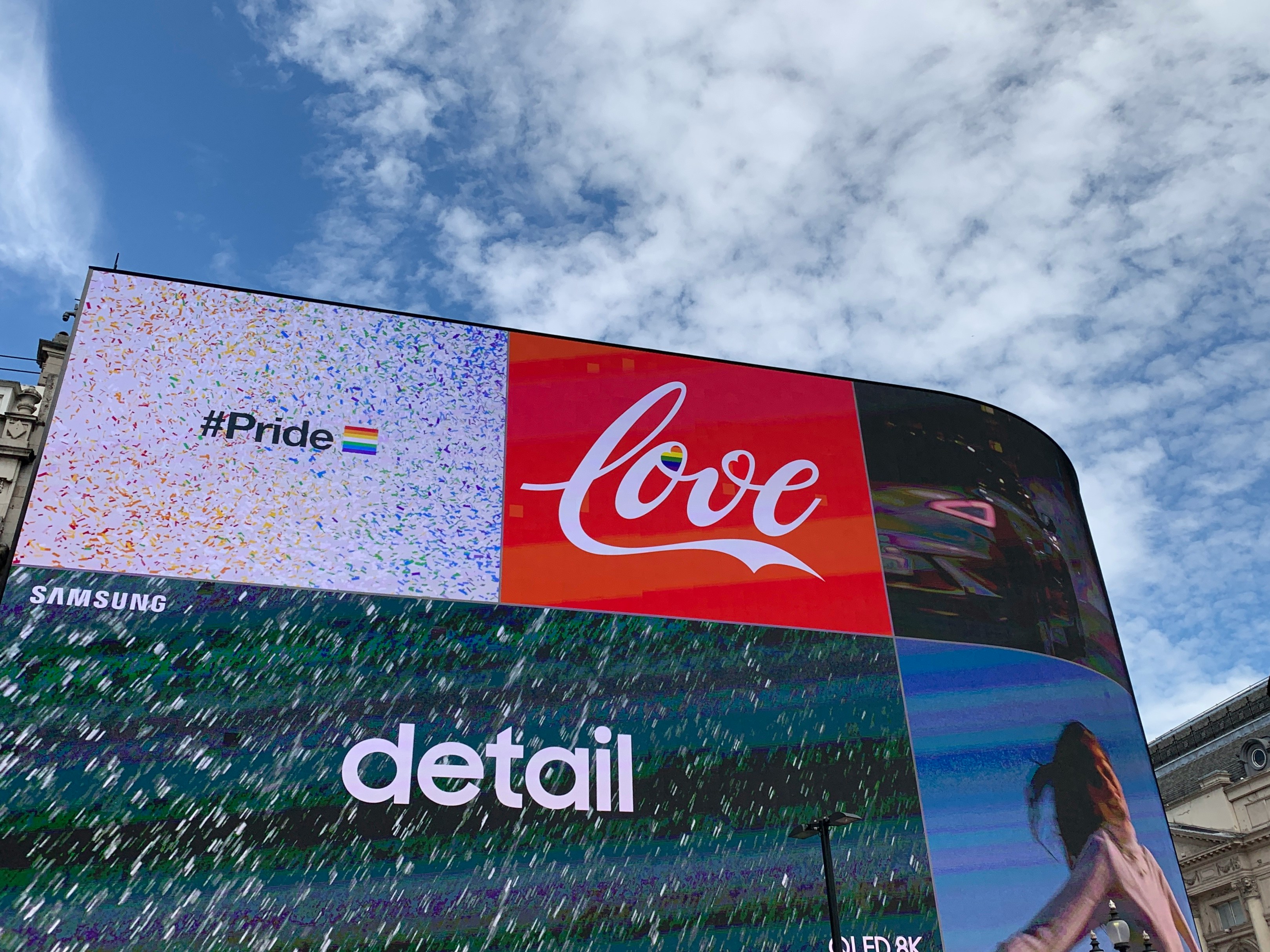
Digital vs Static Billboards
Digital vs Static Billboards | Format Guide for UK Brands
Not sure whether to choose digital or static billboards? This guide explains the key differences, campaign fit, and decision criteria for UK brands.
Digital vs Static Billboards: Which Format Works Better for Your Campaign?
If you are planning an outdoor campaign, one of the first decisions you will make is whether to use digital or static billboards.
That choice shapes the rest of the campaign. It affects how flexible your message can be, how much repetition you build, and how well the campaign fits your timing and audience.
The best format is not necessarily the most modern one. It is the one that matches what the campaign needs to do.
What Is the Difference?
Digital and static billboards both put your brand into public view, but they do it in different ways.
A digital billboard runs in a loop on a screen alongside other ads. A static billboard is a fixed printed display that stays in place for the duration of the booking.
Digital generally suits campaigns that need flexibility. Static generally suits campaigns that need consistency and sustained presence.
Digital Billboards
Digital billboards work well when timing matters.
They include launches, seasonal activity, short promotions, and campaigns that may need quicker updates or greater variation across the plan.
Static Billboards
Static billboards suit campaigns built around a single clear message held in one place over a longer period.
They tend to perform strongly when the goal is familiarity, steady exposure, and a sense of established local presence.
How to Choose
The right format usually comes down to the role the campaign needs to play.
If the message is short-lived, changeable, or tied to a specific window, digital often makes more sense. If the message is stable and the goal is to build recognition over time, static is usually the better fit.
A simple rule helps:
- Choose digital when flexibility matters most.
- Choose static when staying power matters most.
Decision Criteria
Before choosing a format, ask four questions.
- Is the message time-sensitive?
- Does the creative need to change?
- Is repetition more important than flexibility?
- Is the campaign trying to feel active or established?
Those answers will usually point clearly in one direction.
Common Mistakes
The biggest mistake is starting with price instead of purpose.
The second mistake is trying to make one format do the job of both. That usually weakens the campaign because the timing, message, and placement no longer align with the format’s strengths.
What to Read Next
- If you already know the campaign is viable and want to understand the budget, read the billboard advertising cost in London.
- If you want to understand where a campaign should appear, read the best billboard locations in London.
- If you are planning your first campaign as a smaller brand, read about billboard advertising for small businesses.
- If the format feels right and you are now deciding how long the campaign should run, go to how long should a billboard campaign run.
Choose the Format First
If you already know the objective but are still weighing digital against static, the smartest next step is to match the format to the route, area, and campaign goal before committing to a booking.
FAQ
What is the main difference between digital and static billboards?
Digital billboards run in a loop on a screen. Static billboards are fixed printed displays.
Which format is better for a short campaign?
Digital is usually better when the campaign is short or time-sensitive.
Which format is better for brand recognition?
Static is often stronger when the goal is repeated familiarity over time.
Can digital billboards show more than one message?
Yes. That flexibility is one of the format’s main strengths.
Billboard Advertising Cost in London
Billboard Advertising Cost London | 2026 Price Guide
Wondering what billboard advertising costs in London? This guide breaks down planning ranges by format, location, and campaign length.
How Much Does Billboard Advertising Cost in London?
The question sounds simple, but the answer depends on several variables.
Billboard advertising in London does not come at a single flat price. It varies by format, site quality, location, timing, and campaign length.
That is why the most useful way to discuss cost is through planning ranges rather than fixed figures.
Why Costs Vary
Several factors influence the final price of a billboard campaign.
Format
Digital and static billboards are priced differently because they are bought differently.
Location
A central, high-demand site will generally cost more than a local or borough-based placement.
Availability
The shorter the lead time, the fewer options you may have.
Duration
Longer campaigns often improve the value of the spend over time, even when the total budget is higher.
Planning Ranges
These are broad planning ranges for London campaigns in 2026.
|
Format |
Typical Planning Range |
|
Local digital screen network |
£200–£600 per fortnight |
|
High-street digital panels |
£500–£1,500 per fortnight |
|
Premium roadside digital billboard |
£1,500–£4,000+ per fortnight |
|
Standard roadside static |
£600–£2,500 per fortnight |
|
Large-format static |
£2,000–£5,000+ per fortnight |
These ranges are useful for early-stage budgeting. Exact pricing depends on the specific site mix and booking conditions.
What Changes the Budget Most
The biggest pricing shift usually comes from where the campaign runs.
A placement with strong traffic, high relevance, and limited availability will naturally command a higher rate than a more local, less competitive site.
That does not automatically make it a better value; it simply means the price reflects demand.
What a Real Budget Includes
The media booking is only part of the spend.
A realistic plan also needs to account for creative production, artwork readiness, and any campaign coordination required to get the launch live smoothly.
That is why the cheapest-looking option is not always the best commercial decision.
What to Read Next
- If you are still deciding between formats, start with digital vs static billboards.
- If your budget is clearer and you now want to understand where to place it, go to the best billboard locations in London.
- If you are a smaller business weighing whether outdoor advertising is realistic, read billboard advertising for small businesses.
- If your budget decision is closely tied to timing, go next to how long a billboard campaign should run.
Value Comes From Fit
The best value usually comes from matching the right format to the right area, then booking it for long enough to build repetition.
If you want a clearer route from brief to budget, AXIS can help map the planning choices before you commit to a spend.
FAQ
How much does billboard advertising cost in London?
It depends on the format, location, and campaign length.
Are digital billboards more expensive than static ones?
Sometimes, but not always. It depends on the site and how the campaign is bought.
Can small businesses afford billboard advertising?
Yes, in many cases, they can, especially when the campaign is focused and local.
Does the price include design?
Not always. That should be confirmed separately.
Billboard Advertising for Small Businesses UK
Billboard Advertising for Small Businesses UK | Beginner Guide
Think billboards are only for big brands? This guide shows UK small businesses how to plan, budget, and launch a local outdoor campaign.
Billboard Advertising for Small Businesses in the UK
A lot of small business owners assume billboard advertising is too expensive, too broad, or too large-scale for a local brand.
That assumption is understandable, but it is not always correct.
The real question is not whether billboards are reserved for large companies. The better question is whether a small business has a clear enough local objective to make outdoor advertising worthwhile.
Can Small Businesses Use Billboards?
Yes. In the right context, they absolutely can.
A small business does not need citywide coverage to benefit from outdoor advertising. It needs the right audience, in the right area, seeing the brand often enough for it to feel familiar.
That is a very different proposition from trying to compete like a national advertiser.
Why It Can Work
Outdoor advertising helps smaller brands by changing how they are perceived in the market.
When people repeatedly see a brand in public spaces, it begins to feel more established. That perception is valuable for businesses that depend on trust, location, and local recognition.
This is especially relevant for clinics, gyms, salons, restaurants, trades, and service businesses with a defined catchment area.
What a Smart First Campaign Looks Like
A strong first campaign is usually a focused one.
It picks one area, one audience, and one clear message, whether that is a trading zone, a commuter route, or a local catchment where the business wants to build more recognition.
The goal is not to cover everywhere. The goal is to appear in the places that matter most.
Keep the Brief Simple
Small business campaigns work best when the brief is tight.
- One message
- One area
- One clear objective
- One format that suits the budget and the audience
That approach keeps the campaign easy to understand and easy to measure.
What to Read Next
- If you are still checking the budget, re-read the billboard advertising cost in London.
- If you are trying to decide on the right format, go to digital vs static billboards.
- If you already know the area but want to choose the strongest placement, read the best billboard locations in London.
- If you are thinking about campaign length, go next to how long a billboard campaign should run.
A Simple First Step
For a smaller business, the most useful next move is to define the local objective clearly, then shape the campaign around that aim.
FAQ
Is billboard advertising realistic for a small business?
Yes, especially when the campaign is local and focused.
Do small businesses need citywide reach?
No. In most cases, a tighter catchment is the smarter choice.
Which businesses suit billboards best?
Local service businesses, hospitality, clinics, gyms, and retail brands often benefit because visibility supports trust and familiarity.
Should a small business start with digital or static?
That depends on the goal, but digital is often the easier entry point for a first local campaign.
Best Billboard Locations in London
Best Billboard Locations London | Local Visibility Guide
Where you place your billboard matters as much as what it says. Discover the best billboard locations in London for local reach and recognition.
Best Billboard Locations for Local Visibility in London
A billboard can be well designed and still underperform if it is in the wrong place.
That is because location is not a secondary decision in outdoor advertising; it is one of the primary strategic levers.
In London, especially, placement matters because different zones, routes, and movement patterns produce very different results.
Why Location Matters
A billboard does not just need eyes on it. It needs the right eyes on it.
That means the best site is not always the busiest one. It is the one that aligns with the audience you actually want to reach.
How to Think About London
It helps to think in terms of movement patterns rather than postcodes.
Central London
Central locations offer profile and volume, but they are not automatically the best fit for every business.
Inner London
Inner London often provides a stronger balance between reach and local relevance.
Outer London
Outer London can be highly effective for businesses serving a defined borough or local catchment.
Types of Strong Locations
High streets and retail corridors
Good for brands that benefit from everyday local visibility and footfall-driven awareness.
Commuter routes
Strong for repeated exposure. People who pass the same route regularly absorb the message gradually but consistently.
Transport-adjacent sites
Useful when dwell time matters and the audience is naturally slowed.
Local demand zones
Often,n the most commercially valuable when the campaign is tied to a specific trading area or customer cluster.
Match Location to Business Type
Clinics, salons, gyms, and trades tend to perform well when placement aligns with daily movement patterns.
Hospitality brands often need visibility close to leisure routes, dining zones, or local evening activities.
Multi-location businesses usually require a layered strategy rather than a single isolated site.
What to Read Next
If you still need to decide between digital and static, go back to the digital vs static billboards.
- If cost is the next question, read the billboard advertising cost in London.
- If you are a smaller business looking for a simpler entry point, go to billboard advertising for small businesses.
- If you are working out campaign timing, the next step is how long a billboard campaign should run.
A Practical Next Step
Once you know the strongest locations to consider, the next useful step is turning that shortlist into a campaign plan that suits your audience and budget.
FAQ
What makes a billboard location strong?
The best location is the one that matches your audience’s routes, catchment, and context.
Is central London always best?
No. For many businesses, a more local placement offers better value.
Do commuter routes matter?
Yes. Repetition is one of the most valuable aspects of billboard visibility.
Can one good site outperform several weaker ones?
Often, yes, if the site is genuinely aligned with the campaign objective.
How Long Should a Billboard Campaign Run
How Long Should a Billboard Campaign Run? | UK Strategy Guide
One week or four weeks? This guide explains how long a billboard campaign should run based on repetition, timing, and campaign goals.
How Long Should a Billboard Campaign Run?
One of the most common planning questions in outdoor advertising is also one of the most important: how long should the campaign run?
The answer matters because billboards do not typically work from a single exposure. They work through repetition, which means duration is part of the strategy, not just the booking.
Why Duration Matters
The longer people see the same message, the more familiar it becomes.
That familiarity is one of the main reasons billboard advertising works at all. It turns a passing impression into something people recognise later.
Common Booking Windows
7 days
A short run can work when the message is tightly timed, such as a launch, event, or brief promotional window.
14 days
Two weeks is often a practical starting point. It builds repetition without requiring too long a commitment upfront.
28 days
Four weeks gives the campaign more room to settle and creates stronger familiarity.
Longer runs
Extended placements are useful when the goal is to build sustained presence rather than short-term awareness.
Match Duration to Goal
If the campaign is tied to a short commercial window, a shorter booking may be sufficient.
If the goal is recognition, trust, or local familiarity, a longer run is usually more effective.
That is why duration should always be considered alongside format, location, and budget.
What to Read Next
If you still need to decide on format, start with digital vs static billboards.
- If the cost is still unclear, read the billboard advertising cost in London.
- If the next decision is where the campaign should run, go to the best billboard locations in London.
- If you are a smaller brand planning your first campaign, read about billboard advertising for small businesses.
Set the Window
The most useful next step is to choose the booking window that matches the objective, then build the placement around that timeframe.
FAQ
How long should a billboard campaign run?
It depends on how much repetition the message needs and what the campaign is trying to achieve.
Is one week enough?
Sometimes, but usually only for tightly timed campaigns.
Is two weeks a good starting point?
Yes. It is often a sensible balance between reach and commitment.
Do longer campaigns work better?
Often they do when the objective is familiarity and sustained presence.