
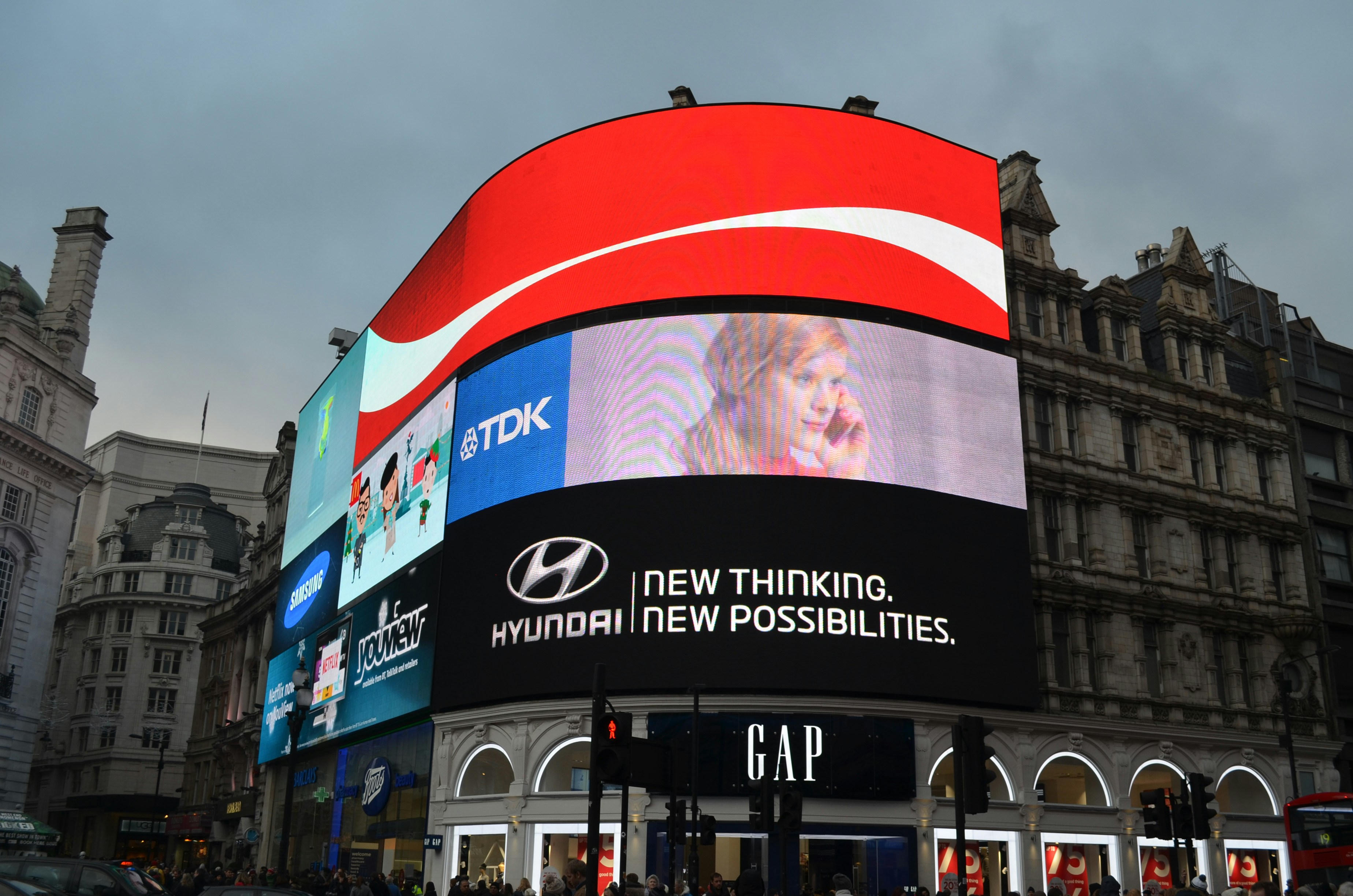
Billboard ROI is measured through a combination of commercial signals.
The goal is to judge whether the campaign created meaningful business movement, not to claim every sale came from the billboard.
This guide uses that framework so UK business owners can judge whether outdoor advertising is working, even when direct attribution is limited.
Why Billboard ROI Is Hard To Prove
Outdoor advertising influences people before they convert. Someone sees the billboard, remembers it later, then searches, calls, visits or enquires through another channel.
The practical distinction is simple: attribution tries to assign a sale to one touchpoint, while uplift signals show whether the campaign created movement overall. That is the defensible way to assess OOH when perfect proof is not available.
Metrics That Show Impact
Use this formula:
ROI = [(Revenue attributed to the campaign − Campaign cost) / Campaign cost] × 100.
If a campaign costs £10,000 and produces £18,000 in reasonably attributed revenue, the ROI is 80%. When direct attribution is limited, assess uplift across traffic, calls, branded search, enquiries and footfall.
Each metric has a specific role:
- Direct traffic = recall. People remembered the brand and visited without another source leading them there.
- Calls and enquiries = intent. The ad moved someone closer to action.
- Branded search = memory/consideration. More people are searching for the business by name.
- Footfall = physical response. The billboard drove real-world visits.
Keeping these roles distinct prevents double-counting and makes the analysis clearer.
How To Set Up A Baseline
Measure at least two weeks of normal performance before launch: website traffic, direct visits, call volume, branded search, enquiries and footfall where relevant. Compare campaign-period results to that baseline and the same calendar period prior to launch to identify real uplift.
This is the most practical way for UK businesses to judge a campaign without overclaiming attribution.
It also fits AXIS’s 14-day structure, which keeps the measurement window focused and defensible.
What Strong ROI Looks Like
Good ROI depends on the objective. For direct-response campaigns, good ROI means revenue or lead value exceeds spend. For brand-led campaigns, good ROI can be measurable lifts in branded search, enquiry quality and local market presence.
Local businesses often see value from modest, well-targeted lifts; larger brands may require broader visibility gains to justify spend. The key is to judge the result against the campaign’s purpose, not against a single universal benchmark.
The 14-Day Window
AXIS core packages use 14-day campaigns because that window balances repetition and measurement clarity. Fourteen days gives enough frequency for recognition to build while keeping the measurement period practical and defensible.
That makes the 14-day window useful both for campaign delivery and for a clean post-campaign review. It is a sensible starting point for brands that want a tighter read on movement without committing to a longer test.
How Channels Interact
Billboards often improve the efficiency of digital channels by creating familiarity before someone clicks or searches. That halo effect can help improve the performance of search, social and direct channels even when it isn’t the last touchpoint.
For that reason, outdoor should be assessed as part of a wider commercial picture rather than in isolation. A stronger read comes from looking at what happened across channels during the same measurement window.
FAQ
Can you actually measure billboard ROI?
Yes, with a mix of attributed revenue where available and proxy signals such as direct traffic, calls, branded search, enquiries and footfall.
How do I know if my billboard is working?
Track uplift in the metrics that matter to you, direct traffic, calls, branded search, enquiries and footfall, during the campaign window and compare them to the baseline.
What is a good ROI for a billboard campaign?
It depends on the goal: revenue above spend for direct-response campaigns, or measurable uplift in awareness and enquiry quality for brand campaigns.
Can billboard advertising contribute to website traffic?
Yes, particularly direct traffic and branded search when the creative and placement are relevant and memorable.
What metrics should I track for an outdoor advertising campaign?
Direct traffic, branded search, calls, enquiries, footfall, and any revenue or lead-quality changes you can reasonably compare against baseline performance.
How long should a billboard campaign run to see results?
Fourteen days is a practical minimum because it creates a measurable window for repetition, comparison and uplift analysis.
Is billboard advertising worth it for small businesses?
Yes, when it’s locally targeted, the message is clear, and success is judged against realistic business outcomes rather than vague reach alone.
What does footfall tell you in billboard advertising?
It shows whether the campaign is driving real-world visits, which is especially useful for retail, hospitality and location-led businesses.
What is the difference between reach and ROI in billboard advertising?
Reach estimates who could have seen the ad; ROI measures whether that exposure generated enough commercial value to justify the spend.
What should I track before launch?
Set a baseline for traffic, calls, branded search, enquiries and footfall, then compare campaign-period movement against it.
Before launch, plan your measurement approach and choose the signals you will watch during the campaign window.
AXIS can help shape that plan around a 14-day campaign and a clear post-campaign review.